Sale
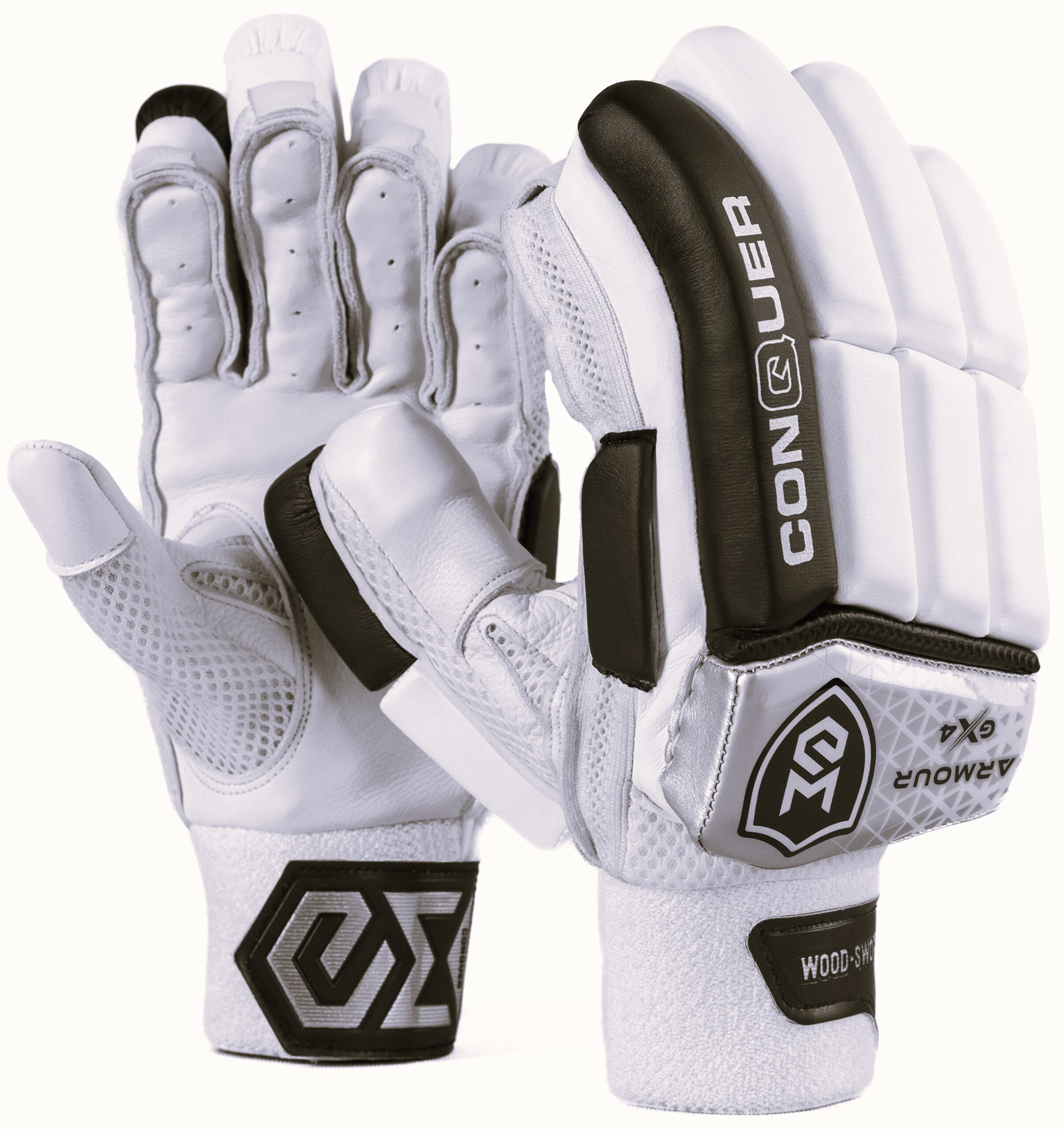
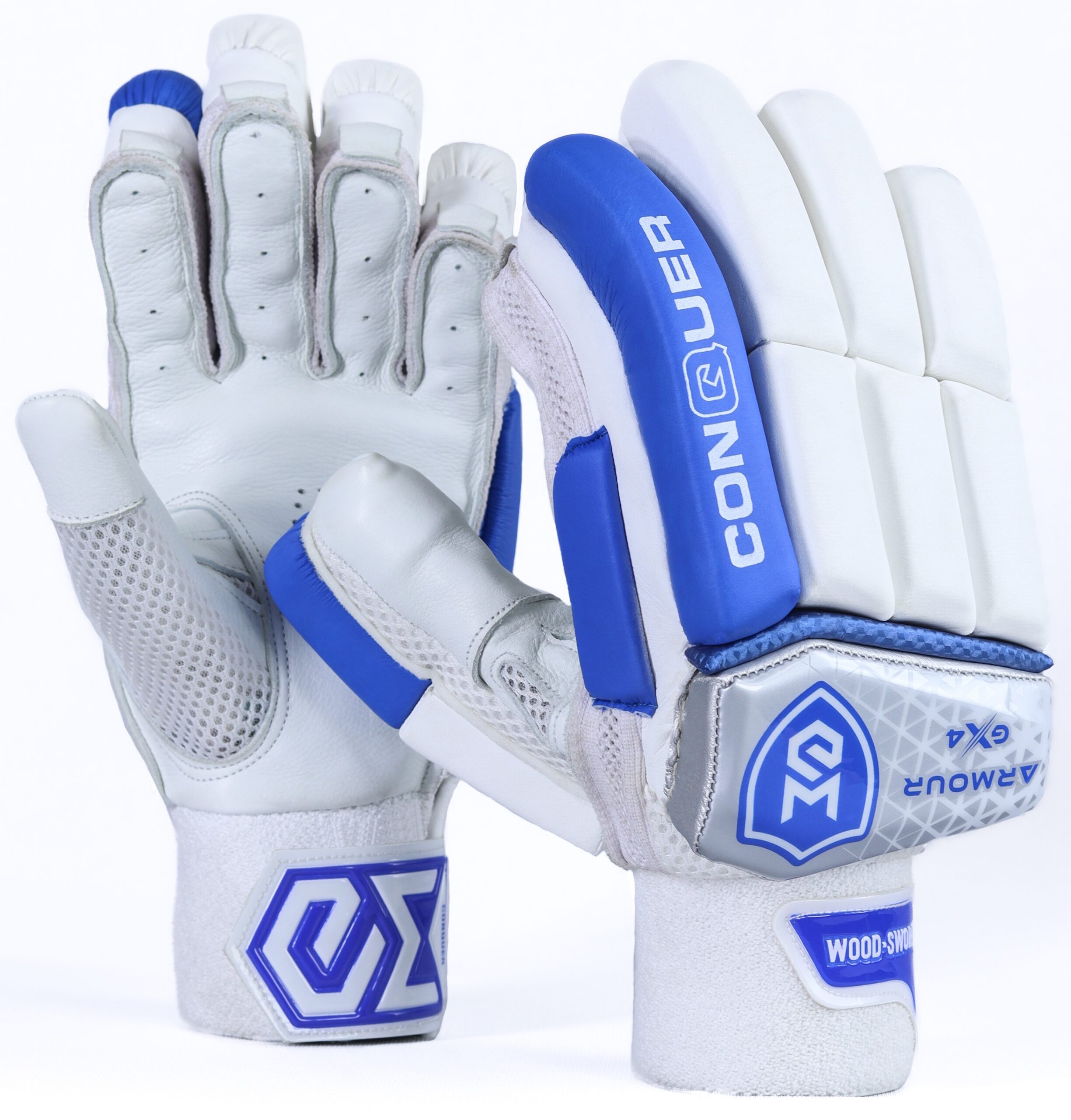
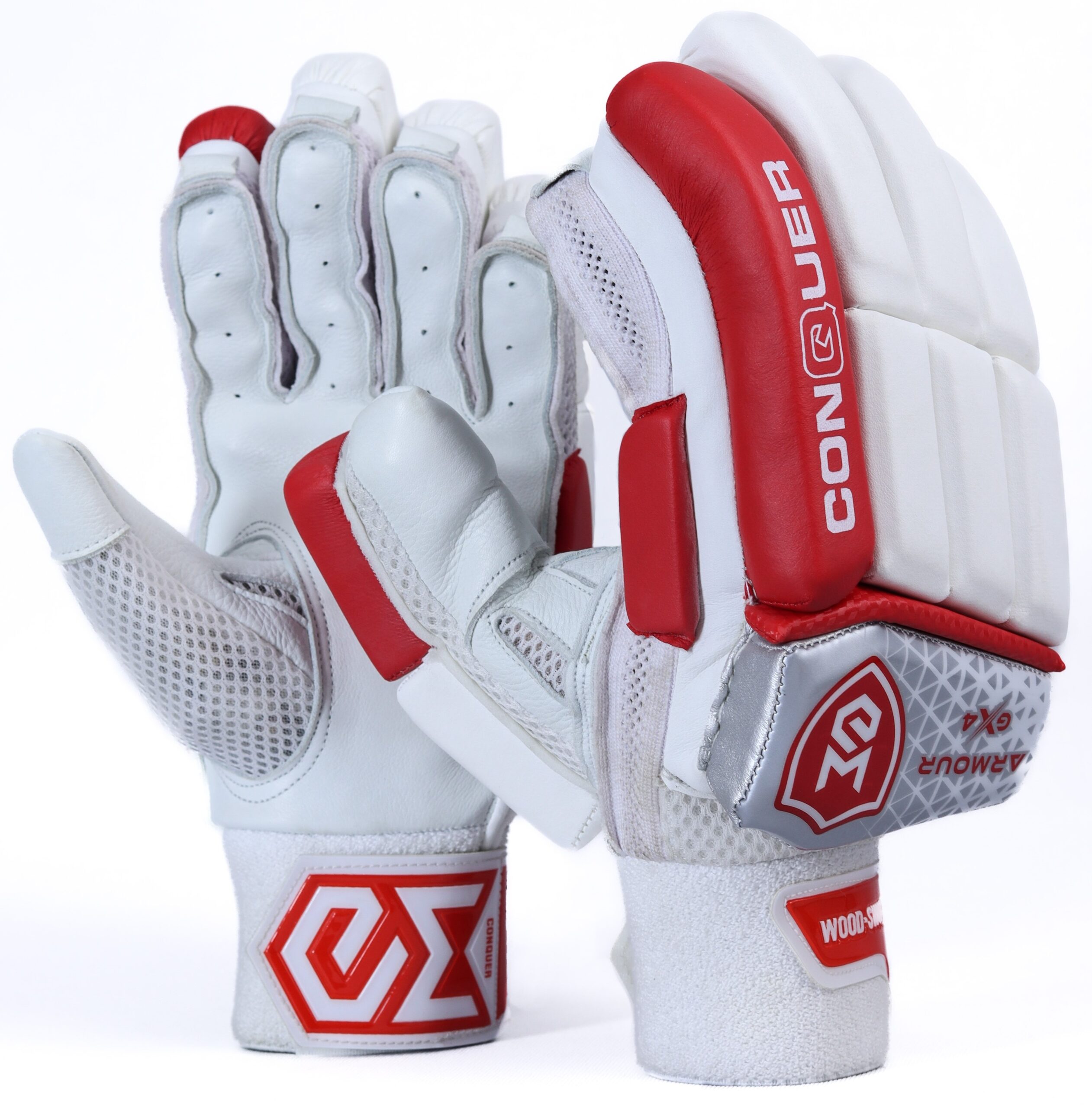
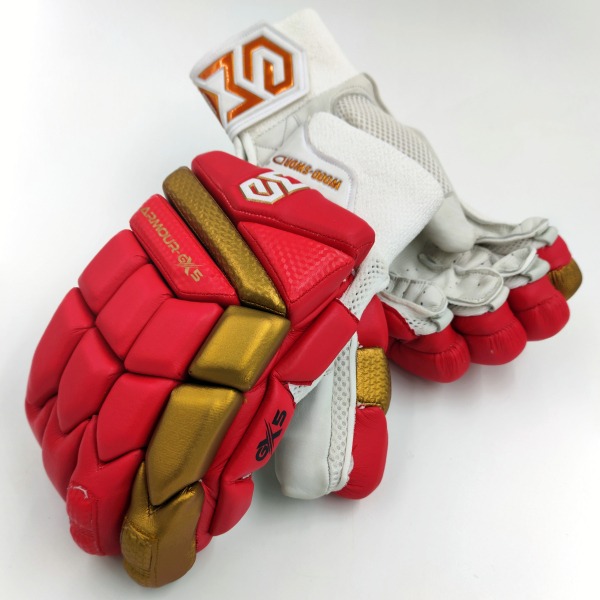
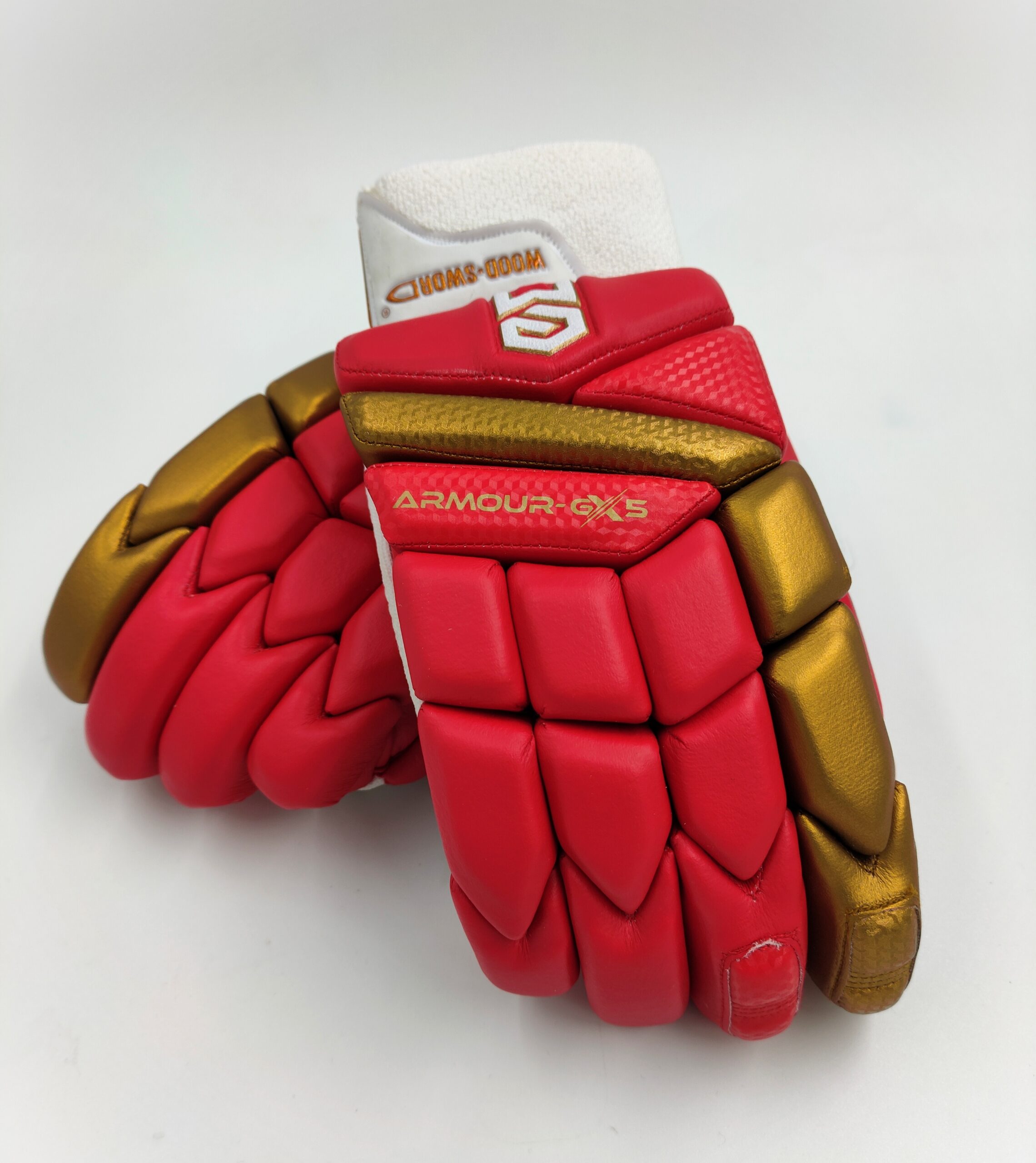
Armour-GX5 (3.0) Batting Gloves (Red-Gold)
₹1,599.00 – ₹1,649.00
The ARMOUR-GX5 (3.0) Cricket Batting Gloves is hybrid combination of Block & V-split style gloves, having 3 split finger for better flexibility. Overall covered with light weight quality PU with triangle & bar-split back design providing elegant and premium looks.
Description
The ARMOUR-GX5 (3.0) Cricket Batting Gloves is hybrid combination of Block & V-split style gloves, having 3 split finger for better flexibility. Overall covered with light weight quality PU with triangle & bar-split back design providing elegant and premium looks.
Additional information
| Color | GOLD, Red |
|---|---|
| Protection Range | GX (GLOVES) |
| Size | LARGE, MEDIUM, YOUTH |
| HAND / LEG | LEFT, RIGHT |


Demetria –
hgh tabletten kaufen
References:
https://jobs.wazaelimu.com
Norberto –
MODIFIED GENETIC dianabol test cycle 12 weeks :
Classic Steroid For Powerful Gaining And B
Brief Overview – Gut‑Friendly Probiotics for Children
What they do Why it matters
Restore a balanced microbiome – after infections, antibiotics or diet changes, kids can have an over‑growth of “bad” bacteria or a drop in beneficial species.
A healthy gut supports digestion, immune function and even mood.
Enhance barrier integrity – many strains help tighten the intestinal lining, reducing “leaky gut.”
Less translocation of toxins and fewer inflammatory triggers.
Modulate immunity – certain probiotics can dampen over‑reactive immune
responses (e.g., eczema, allergies). Helps prevent or ease atopic dermatitis, food sensitivities and asthma symptoms.
Produce short‑chain fatty acids (butyrate, acetate)
that fuel colon cells and regulate inflammation. Improves gut
motility and may lower the risk of colorectal issues later in life.
—
3. The Microbiome Landscape: How It Shapes Human Physiology
Aspect Key Findings
Immune System Development Germ‑free mice have under‑developed Peyer’s patches, reduced
IgA, and impaired Treg populations. Human infants exposed to a diverse microbiota show higher regulatory T cells
and lower allergic reactivity.
Metabolic Regulation Certain bacterial species (e.g., Akkermansia muciniphila) enhance insulin sensitivity; others produce short‑chain fatty acids that influence adipogenesis,
appetite regulation, and lipid metabolism.
Neurological Functions Microbial metabolites cross the blood‑brain barrier influencing neurotransmitter production (serotonin,
GABA). Mouse models show altered anxiety‑related behavior when microbiota composition changes.
Immune Training Repeated exposure to microbial antigens educates innate immunity; this is
reflected in “trained immunity” where monocytes/macrophages exhibit
enhanced responses after initial stimuli.
—
4. Why a Controlled Study Is Needed
Confounding Factors – Diet, exercise, stress levels,
and circadian rhythm can all influence the immune system.
A randomized controlled design allows these variables to be balanced between groups
or statistically adjusted.
Causality vs Correlation – Observational data can only suggest associations; a study where participants are randomly assigned to “high‑exposure” vs “low‑exposure” provides stronger evidence that changes in exposure cause immune changes.
Quantification of Exposure – The “amount” and type of microbial
contact (e.g., surface surfaces, air quality) can be measured or monitored, enabling dose–response analyses.
Safety Monitoring – Although natural environments are generally safe, a
study protocol can include monitoring for adverse events (e.g., infections), ensuring participant safety.
Generalizability – By recruiting diverse participants and using multiple sites, findings will
be more applicable to the general population.
6. Implementation Strategy
Recruitment & Screening
– Advertise via community centers, universities,
social media.
– Screen for inclusion/exclusion criteria; obtain informed consent.
Baseline Data Collection (Week 0)
– Demographics, health status, lifestyle questionnaire.
– Blood samples and stool samples (baseline).
– Baseline questionnaires on stress, sleep, diet.
Randomization & Intervention Allocation
– Use computer-generated randomization lists; assign participants to intervention or control groups.
– Provide instructions for the assigned activity (e.g., schedule for
walks, log usage of mindfulness app).
Follow‑up Data Collection
– At weeks 2, 6, and 12: repeat blood and stool sampling, questionnaires.
– Continuous monitoring of adherence via app logs or self-reports.
Data Management
– All data entered into secure electronic database (e.g., REDCap).
– Regular backups; double-data entry for critical variables to
reduce errors.
Statistical Analysis Plan
– Primary analysis: mixed‑effects linear models comparing changes in metabolite levels between groups over time, adjusting for baseline values.
– Secondary analyses: correlation of metabolite changes with microbiome composition shifts (16S rRNA data).
– Multiple testing correction via Benjamini–Hochberg FDR.
Reporting and Dissemination
– Prepare manuscript following STROBE guidelines.
– Present findings at relevant conferences; share data in public repositories (e.g.,
MetaboLights).
By rigorously applying this detailed protocol, researchers can confidently attribute observed metabolomic changes to specific dietary
interventions, thereby enhancing reproducibility and advancing our understanding of diet–metabolism
interactions.
Shaun –
zyzz before steroids
References:
What Are Peds Bodybuilding; https://Www.Mp4Bay.Com,
Morris –
benefits of steroids in sports
References:
What Is The Closest Supplement To Steroids (https://Git.Burokratgroup.Ru)
Sonja –
injecting anabolic steroids
References:
what do steroids do to women’s bodies (git.tasu.ventures)
Brooks –
testosterone schedule drug
References:
anabolic definition (https://git.ellinger.Eu/finnransom342)
Coleman –
new gnc muscle builder
References:
prednisone for muscle growth (https://lensez.info/frederickaholl)
Stepanie –
is it safe to take steroids
References:
Valley.md
Tammy –
supplements to take with steroids
References:
Fastest Muscle Building supplement
Jan –
steroids replacements
References:
buy legal anabolic steroids online, Newsagg.site,
Josefina –
0ahukewjro_2u–_mahv9fjqihw1ccukq_auidcga|anabolic steroids|acybgnqivwvdk_gu8guso6hssvaojmb0yg:
***
References:
Steroids women; https://topbookmarks.cloud/Item/404705,
Maggie –
where to buy legit dianabol
References:
where Can i buy steroids to build muscle (https://www.faax.org/author/vestindex3/)
Cruz –
is testosterone illegal
References:
valley.md
Scarlett –
two main types of steroids
References:
Purchase steroids Online – https://Www.24propertyinspain.com/,
Leonie –
hgh steroids
References:
where are natural corticosteroids produced – aryba.kg,
Kami –
pills to get ripped and big
References:
what supplements do pro bodybuilders take (aryba.kg)
Vida –
anavar steroid for sale
References:
best test Cycle for bulking, http://www.mazafakas.com,
Korey –
Does Anavar Cause Gyno? Expert Advice For Steroid Users
**Managing Gynecomastia (Benign Breast Enlargement in Men)**
*A Practical Guide for Primary Care Physicians*
—
## 1. What Is Gynecomastia?
| Feature | Typical Findings |
|———|——————|
| **Definition** | Hormonal imbalance between estrogen and androgen activity → proliferation of glandular breast tissue.
|
| **Epidemiology** | ~40 % lifetime prevalence in men; peaks at ages 15–20, 30–50 (secondary),
>70 yr (tertiary). |
| **Clinical Picture** | Painless, firm or rubbery mass beneath the
nipple‑areolar complex (NAC); may involve the areola and extend to the subcutaneous fat.
Usually unilateral but can be bilateral. |
| **Differential** | Fibroadenoma, cystic disease,
intraductal papilloma, malignancy, granulomatous mastitis.
|
—
### 2. Differential Diagnosis of a Male Breast Mass
| Condition | Key Features | Distinguishing Points
vs Gynecomastia |
|———–|————–|—————————————-|
| **Benign fibroadenoma** | Solid mass, mobile, well‑circumscribed, often 2 cm, may fluctuate in size with
hormonal changes | Ultrasound shows anechoic fluid collection; aspirate yields
clear fluid. |
| **Phyllodes tumour** | Rapidly enlarging, can be >5–10 cm; may have a leaf‑like architecture on histology | Imaging:
heterogeneous mass with cystic areas; often larger than phyllodes tumours are benign. |
| **Inflammatory breast cancer** | Sudden erythema, peau d’orange, rapid progression,
associated with lymphadenopathy | Ultrasound shows skin thickening and subcutaneous edema; biopsy demonstrates
carcinoma cells in dermal lymphatics. |
| **Metastatic disease** | Usually presents as multiple masses or
lytic bone lesions; may involve breast due to systemic spread
| Imaging: multiple lesions; histology reveals non‑breast primary tumour (e.g., melanoma, lung).
|
The patient’s presentation—rapid onset of a painful mass, skin involvement, and lymphadenopathy—fits the clinical picture of an inflammatory breast
carcinoma or an aggressive inflammatory variant such as
an inflammatory fibroblastic tumour. However, the absence of overt skin thickening, lack of known primary elsewhere, and the imaging showing 50mg anavar a day results single localized lesion favour a primary breast neoplasm.
—
## 4. Differential Diagnosis
| Category | Potential Entities | Why They are Considered | How to Exclude /
Confirm |
|———-|——————-|————————|————————–|
| **Primary Breast Tumours** | • Invasive ductal carcinoma (IDC) – inflammatory variant
• Inflammatory breast carcinoma (IBC)
• Phyllodes tumour, especially malignant
• Metaplastic carcinoma (fibroblastic, spindle cell)
• Ductal carcinoma in situ (DCIS) with solid component |
IDC is most common; IBC accounts for <2% but presents with erythema and rapid growth. Malignant phyllodes can mimic. Metaplastic carcinomas often present as firm masses and may show desmoplasia. DCIS may have calcifications but usually not such large mass. | IBC typically shows skin thickening, peau d'orange; no obvious calcifications. Phyllodes are biphasic with stromal proliferation; malignant variants can be large. Metaplastic carcinoma shows spindle cells and may express vimentin, EMA, cytokeratin. |
| **Immunohistochemistry** | 1. **Pan‑keratin (AE1/AE3 or CK5/6)** – highlights epithelial component.
2. **Cytokeratin 7 (CK7)** – usually positive in breast carcinoma.
3. **Estrogen Receptor (ER), Progesterone Receptor (PR)** – to assess hormone status.
4. **HER‑2/neu** – for targeted therapy.
5. **Gross‑cystic disease fluid protein‑15 (GCDFP‑15) / Mammaglobin** – supportive of breast origin.
6. **GATA3** – highly sensitive for mammary epithelium.
7. **S100, HMB‑45** – to rule out melanocytic lesions if morphology ambiguous.
The panel should be chosen based on the morphologic features: if classic ductal carcinoma is seen, ER/PR/HER‑2 are routine; if an unusual or borderline lesion appears, include GATA3 and GCDFP‑15.
—
## 4. Special Considerations for Borderline/Uncertain Cases
| Scenario | Morphologic Clues | Suggested IHC Panel | Interpretation |
|———-|——————-|———————|—————-|
| **Atypical ductal hyperplasia (ADH) vs DCIS** | Small clusters of cells with nuclear atypia but no comedonecrosis. | ER, PR, HER‑2, Ki‑67 | High ER/PR and low Ki‑67 support ADH; higher Ki‑67 suggests DCIS |
| **Low‑grade papillary lesions** | Fibrin strands, small epithelial clusters. | S100 (to rule out melanocytic), TTF‑1 negative (exclude lung), CK5/6 | Positive for CK5/6 supports benign or low‑grade; high Ki‑67 indicates malignancy |
| **Benign vs malignant phyllodes** | Similar stromal overgrowth, but malignant shows hypercellularity. | p53, CD34, Ki‑67 | Elevated p53 and Ki‑67 in malignant |
—
## 5. Practical Workflow for a Pathology Lab
1. **Specimen receipt & grossing**
– Photograph, label, record size/weight.
– Ensure representative sections.
2. **Slide preparation**
– Standard H&E.
– Additional immunostains per panel above if morphology is ambiguous.
3. **Microscopic evaluation**
– Assess architecture, cytology, stroma, vascularity, margins.
– Record findings in a standardized template (e.g., "benign epithelial proliferation with mild atypia; no invasion").
4. **Immunohistochemistry decision tree**
– If morphology suggests hyperplasia or adenoma → proceed with ER/PR panel.
– If suspicious for carcinoma → add HER2, Ki-67, p63/cytokeratin 5/6, GATA3.
5. **Reporting format**
– Summary statement: e.g., "Benign endometrial hyperplasia without atypia; no evidence of malignancy."
– Detailed description of histology and immunoprofile.
– Recommendations (e.g., repeat sampling if clinical suspicion remains).
—
### 4. Validation and Quality Assurance
– **Pilot Run**: Process a batch of 10–20 routine samples, compare findings with standard pathology results to assess concordance.
– **Inter‑operator Variability**: Have at least two technicians independently process the same sample; evaluate agreement on histological interpretation and immunoprofile.
– **Control Samples**: Include known positive/negative control slides for each antibody run (e.g., a breast carcinoma tissue microarray).
– **Documentation**: Maintain detailed SOP logs, calibration records for imaging equipment, and assay performance metrics.
—
### 5. Clinical Implementation Timeline
| Phase | Duration | Key Activities |
|——-|———-|—————-|
| Setup & Validation | 4–6 weeks | Procure reagents, validate protocols, train staff |
| Pilot Testing | 2–3 weeks | Process real patient samples, compare with standard pathology |
| Full Roll‑out | Ongoing | Integrate into routine diagnostic workflow, periodic quality checks |
—
## Summary
By systematically applying the validated immunohistochemical panel (ER, PR, HER2, GATA3, Ki‑67) to breast carcinoma tissue sections—using automated staining and standardized scoring methods—pathologists can generate a precise molecular classification. This informs therapeutic decision‑making: ER/PR‑positive cases benefit from endocrine therapy; HER2‑positive tumors are candidates for anti‑HER2 agents; triple‑negative disease may be directed toward chemotherapy or clinical trials. The workflow aligns with current diagnostic standards while leveraging the detailed biomarker data to enhance personalized treatment planning.
Cynthia –
bodybuilding single
References:
hangoutshelp.net
Brook –
oral tren before and after
References:
https://www.google.co.bw/url?q=https://www.valley.md/dianabol-cycle-benefits-and-risks
Margart –
buy illegal steroids
References:
http://09vodostok.ru/
Annis –
oral testosterone steroids for sale
References:
md.chaosdorf.de
Kieran –
extreme lean garcinia
References:
ansgildied.com
Darcy –
does tren burn fat
References:
images.google.bi
Deandre –
information about legal steroids
References:
marshallcountyalabamademocraticparty.com
Jocelyn –
purpose of steroids
References:
bookmark4you.win
Porter –
gym steroids
References:
justpin.date
Marshall –
CJC‑1295 is a synthetic growth hormone releasing peptide
that has attracted interest for its potential to stimulate natural growth hormone production. While many users report benefits such as improved muscle mass and recovery,
it is essential to be aware of the possible side effects associated with this compound.
CJC 1295 Side Effects: What You Need to Know
The most commonly reported adverse reactions to CJC‑1295 involve local injection site discomfort,
including pain, swelling, or redness where the peptide
is administered. Some users experience transient fluid retention that can lead to a feeling
of puffiness or mild edema, particularly in the extremities.
Headaches and dizziness have also been noted, often occurring shortly after injection.
In rare cases, individuals may develop an allergic reaction manifested by itching, rash, or hives.
Because CJC‑1295 influences growth hormone levels, there is a theoretical risk of increased
insulin resistance, which could affect blood sugar regulation over prolonged use.
Users with pre-existing conditions such as diabetes or thyroid disorders should monitor these parameters
closely.
Introduction to CJC 1295 Side Effects
Understanding the spectrum of side effects helps set realistic expectations and promotes safer
usage practices. The peptide’s mechanism involves stimulating growth hormone release from the pituitary gland, which in turn can elevate levels of insulin-like growth factor one (IGF‑1).
This hormonal cascade is beneficial for tissue repair but can also alter metabolic
pathways. ipamorelin side effects cancer effects may vary based on dosage, frequency, individual
sensitivity, and whether other peptides or substances are used concurrently.
Understanding CJC 1295
CJC‑1295 is part of a class known as growth hormone
releasing peptides (GHRPs). It binds to receptors in the pituitary,
encouraging the secretion of growth hormone over an extended period.
Unlike short‑acting GHRPs that produce rapid spikes,
CJC‑1295 has a longer half‑life, which can provide more sustained hormonal stimulation.
The peptide is typically administered via subcutaneous
injection, and its effects are measurable through changes in circulating growth
hormone and IGF‑1 levels.
Because the body’s response to increased growth
hormone can differ significantly from person to person, monitoring for
side effects is critical. Symptoms such as excessive swelling, unusual
fatigue, or changes in appetite may signal that the dosage needs adjustment.
Regular blood work to track hormonal balances, insulin sensitivity,
and thyroid function is recommended for anyone considering long‑term use.
In summary, while CJC‑1295 offers potential anabolic
benefits, it also carries a range of possible side effects from mild
local reactions to more significant metabolic changes.
Being informed about these risks, maintaining proper injection hygiene, and consulting healthcare professionals can help
mitigate adverse outcomes and support safer application of this peptide.
Aretha –
Anavar, also known as oxandrolone, has gained popularity among men who want to sculpt lean muscle mass while minimizing fat gain and reducing the risk of severe side
effects compared to other anabolic steroids. Its low androgenic activity combined with a high anabolic index makes
it especially attractive for those looking to preserve hard‑earned leanness during cutting
phases or to add subtle strength gains without excessive water
retention.
Transform Your Body with Anavar Cycle
To transform your physique effectively, an Anavar
cycle typically lasts between four and eight
weeks. During the first week, you might begin at a conservative dose
of fifty milligrams taken twice daily (100 mg per day)
to allow your body to adjust to the anabolic stimulus. After the initial acclimatization period, most users increase to seventy-five milligrams twice daily (150
mg per day), which is considered a moderate dose that balances muscle gains with safety.
For more experienced athletes who have built
a solid steroid base and are aiming for maximal lean mass addition, the dosage can be pushed to
one hundred and twenty five milligrams twice daily (250 mg per day).
This upper range is typically reserved for short cycles or for individuals who
have undergone extensive pre‑conditioning with other
anabolic agents. Throughout the cycle, it is essential to
monitor liver function tests every two weeks,
as Anavar undergoes hepatic metabolism and can stress
the liver at higher doses.
Understanding Anavar Cycle: Unveiling the Mechanics for Optimal Results
Anavar’s mechanism of action revolves around its selective binding to androgen receptors in muscle tissue while sparing estrogenic pathways.
This selectivity leads to increased protein synthesis, nitrogen retention, and ultimately muscle
hypertrophy with minimal estrogen‑related side
effects such as gynecomastia or water retention. The anabolic window for Anavar is relatively narrow; therefore, consistent daily dosing ensures steady receptor activation. Peak plasma concentrations are reached within four hours of ingestion, so
taking the medication in two equal portions—once
in the morning and once in the evening—helps maintain stable hormone
levels. Additionally, pairing Anavar with a well‑structured resistance training
program that emphasizes progressive overload will amplify
the anabolic response and produce measurable strength gains.
During an eight‑week cycle at 150 mg per day, users can expect an increase of roughly five to ten pounds of lean body mass while maintaining or slightly improving body composition. Strength improvements typically range from ten to fifteen percent across major lifts such as the squat,
bench press, and deadlift. The timing of post‑cycle therapy (PCT) is crucial; because Anavar
has a relatively short half‑life of about twenty hours, a two‑week PCT with an aromatase
inhibitor or selective estrogen receptor modulator can help restore natural testosterone
production if necessary.
Understanding Synergistic Compounds
To further enhance the benefits of an Anavar cycle, many athletes incorporate synergistic compounds that complement
its anabolic profile. A popular companion is Primobolan (methenolone),
which also offers low androgenic activity but with a stronger anti‑estrogen effect.
Combining Anavar and Primobolan in equal doses (e.g., 75
mg each per day) can produce a balanced lean mass gain while
keeping estrogen levels minimal.
Another synergistic option involves adding a mild growth
hormone secretagogue such as MK‑677 (Ibutamoren).
While not an anabolic steroid, MK‑677 stimulates growth
hormone and IGF‑1 secretion, which can aid in muscle repair and recovery.
When paired with Anavar, the increased hormonal milieu may accelerate hypertrophy without increasing water retention.
For those seeking enhanced muscular endurance, incorporating a low dose of testosterone enanthate or cypionate (100–200 mg
per week) can maintain baseline androgen levels while allowing Anavar to take
the lead on muscle building. This approach reduces the
risk of hypogonadism post‑cycle and supports faster recovery during training sessions.
When selecting synergistic compounds, it is essential to consider the cumulative impact on liver
function, cardiovascular health, and hormone balance. The key is to keep total daily anabolic
load within a safe threshold—generally not exceeding 250 mg per day of Anavar and avoiding excessive doses of additional steroids or growth‑promoting
agents.
In conclusion, an effective Anavar cycle for men requires careful dosing that starts low and gradually increases while monitoring liver health.
Understanding the drug’s unique anabolic mechanisms allows
users to tailor training and nutrition for optimal results.
Finally, selecting compatible synergistic compounds can amplify gains, but always prioritize safety by staying
within established dosage guidelines and incorporating appropriate post‑cycle
therapy.
Shavonne –
mike o’hearn steroids
References:
https://images.google.bi/url?q=https://peatix.com/user/27938393
Luisa –
gnc banned supplements
References:
http://sorucevap.kodmerkezi.net/
Murray –
closest to steroids but legal
References:
http://lovewiki.faith/index.php?title=parrishhauge5335
Jude –
legal anabolic steroids for sale
References:
franklin-schmidt-2.mdwrite.net
Jenny –
mild anabolic steroids
References:
https://setiathome.berkeley.edu/show_user.php?userid=13236854
Jarrod –
why do people take steroids
References:
https://workposting.com/read-blog/28727_titel-isolierung.html
Shelly –
illegal protein powder
References:
https://diamondbellaministry.org/
Van –
steroids without working out
References:
https://gogs.greta.wywiwyg.net/
Shay –
best steroid stack for weight loss
References:
chinami.com